Things to Do in Madagascar
The island that split off and spent ninety million years improvising
Top Things to Do in Madagascar
Find activities and tours you'll actually want to do. Book through our partners -- no booking fees.


Plan Your Trip
Essential guides for timing and budgeting
Climate Guide
Best times to visit based on weather and events
View guide →Day Trips
The best excursions and nearby destinations worth the journey
Explore day trips →Where to Stay
Best neighbourhoods, hotel picks, and booking tips
Find hotels →Travel Insurance
What's required, what coverage matters, and how to get a quote
Read guide →What to Pack
Climate-specific gear, essentials, and what to leave at home
See packing list →When Should You Visit Madagascar?
Tap a month for weather, crowds, and highlights
View full year-round climate guide →Explore Madagascar
Amber Mountain National Park
City
Anakao
City
Andasibe Mantadia National Park
City
Antananarivo
City

Antsirabe
City

Antsohihy
City

Avenue of the Baobabs
City
Fianarantsoa
City
Fort Dauphin
City
Île Sainte Marie
City
Isalo National Park
City
Masoala National Park
City

Morondava
City
Nosy Be
City
Toliara
City

Tsingy de Bemaraha
City
Your Guide to Madagascar
About Madagascar
Madagascar smells like vanilla and woodsmoke and red laterite dust, and it looks like nowhere you have been before, or likely will again. The baobabs near Morondava, fat-trunked and improbable, silhouetted against sunsets that turn the sky the color of bruised mango, are the image most travelers carry in their heads. But they are just the opening line of a place that keeps rewriting itself.
Drive the RN7 south from Antananarivo through the terraced rice paddies of the central highlands, where the air cools and mist hangs in the valleys until mid-morning. Within two days you pass through Antsirabe's crumbling colonial spa town, the sandstone canyons of Isalo where natural swimming pools sit at the bottom of slot gorges, and rainforest at Ranomafana so thick it swallows the sky.
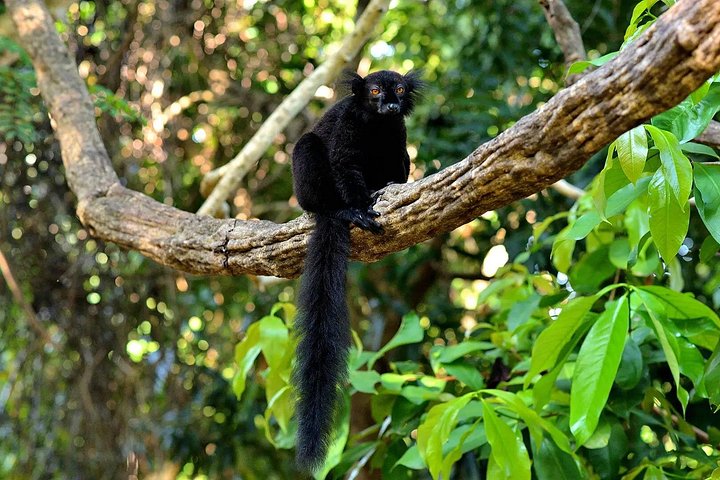
The island broke from mainland Africa roughly ninety million years ago and evolution here simply went its own way. Something like ninety percent of the wildlife exists nowhere else, including the indri, a black-and-white lemur the size of a small child whose morning call through the canopy at Andasibe sounds less like an animal and more like whale song reverberating through a cathedral.
Getting around is the honest challenge. Roads outside the capital range from rough to outright punishing. Domestic flights cancel often enough that you should build buffer days into any itinerary. The rainy season from November through March can turn unpaved routes into rivers of red mud. Madagascar rewards the difficulty, though, not with polish or convenience.
But with the rare feeling of having arrived somewhere that the rest of the planet simply has no equivalent for.
Travel Tips
Transportation: Madagascar's road network is the single biggest logistical reality you need to plan around. The RN7 from Antananarivo south toward Tulear is the country's most-traveled route, and even that takes two full days by car, not the eight hours the distance suggests. Taxi-brousses, shared minivans that depart when every seat is filled rather than on any schedule, connect most towns affordably. Comfort is not part of the arrangement. Domestic flights via Tsaradia link Tana to Nosy Be and Tulear, though cancellations are frequent enough that booking a same-day international connection afterward is asking for trouble. Hiring a private driver with a 4x4 tends to be the most reliable option for multi-day routes. Negotiate the full rate before departure and make sure fuel is included.
Money: The Malagasy Ariary is the local currency, and outside a handful of international hotels in Antananarivo, Madagascar runs on cash. ATMs exist in Tana, Antsirabe, and the larger towns along the RN7, but they run dry or go offline often enough that you should withdraw what you need in the capital before heading anywhere remote. Euros and US dollars exchange at banks and bureaux de change, with airport rates predictably worse. Credit cards work at upscale lodges and some tour operators in Nosy Be. But assume cash for everything else: guides, park fees, meals, transport. Carry small denominations. Getting change in rural areas can be a real ordeal, and vendors will sometimes turn down a sale rather than break a large note.
Cultural Respect: Madagascar's system of fady, local taboos that shift by region, village, and even family, is the cultural layer most visitors find hardest to read. In parts of the south, pointing at a tomb is fady. Near Andasibe, certain forest areas are off-limits on specific days of the week. Your guide will know the local rules, and since hiring one is required in national parks anyway, lean on their knowledge rather than guessing. A handshake and a quiet Salama goes further than you might expect. Photographing people without asking is considered rude, not endearing. If invited into someone's home, sit where indicated and accept the rice. The meal may be simple. But the hospitality behind it is not. Malagasy warmth toward visitors is real. But it is offered on their terms.
Food Safety: Rice anchors every Malagasy meal: breakfast, lunch, dinner, and the vary amin'anana, a rice-and-greens soup, that fills whatever gaps remain between them. Roadside hotely restaurants, recognizable by steam pouring from their front windows, serve rice with laoka: zebu stew braised until the meat falls apart, smoked pork pounded with cassava leaves, or romazava, a broth of beef and mixed greens sharpened with ginger. The food is safe when cooked to order and served hot. The risk sits with raw salads, unpeeled fruit, and tap water, which you should avoid everywhere on the island. Street-grilled zebu skewers, charred and smoky off wood-fired braziers, are some of the best eating you will find here. Go for stalls with high turnover and you will eat well.
When to Visit
Madagascar splits its year in half, and the contrast is brutal. April to October is the dry season, the time most travelers choose, and they are right. Around Antananarivo the thermometer hovers at 20-25°C (68-77°F), rain is scarce, and the dirt tracks linking the parks stay drivable. The coast runs warmer all year; Nosy Be and the west coast beaches still hit 28-30°C (82-86°F) in the cooler months. Yet once the sun drops the air cools fast.
September and October are prime. The land is parched, lemurs leap through thinning foliage, and humpback whales cruise past Ile Sainte-Marie until late October. Rooms around Nosy Be and along the RN7 corridor sell out quickly now. Prices jump above the April-May shoulder when the rains have just quit and the island glows electric green, rice paddies mirror the sky, baobabs keep their leaves, and Isalo's waterfalls roar.
April and May are kinder to tight budgets: lodges, guides, and domestic flights all cost less.
November brings the wet season, and it arrives angry. The east coast cops the worst. Cyclones spin in during January and February. Roads vanish. Flights cancel without apology. Northern and eastern parks turn unreachable. Lowland thermometers top 35°C (95°F) and the air feels like soup. Mud plus heat turns every mile into a lottery.
Yet the island pulses with life now: chameleons breed and show up on night walks, fruit bows the branches, and if you sync with the lychee harvest the eastern markets alone justify the trip. Room rates tumble outside peak months. Crowds disappear. Famadihana, the highland turning of the bones, falls between June and September; a rare invitation trumps any itinerary.
Bottom line: September or October for a once-in-a-lifetime visit. April or May for emerald scenery without the deluge. January and February? Only if you pack light, plan loose, and smile when the highway turns into a river overnight.
More Ways to Experience Madagascar
Tours, day trips, and local experiences curated by on-the-ground operators.
Didn't see anything interesting yet?
Browse Viator's full catalog of tours, day trips, food experiences, and private guides in Madagascar.
See All Madagascar Tours on Viator